


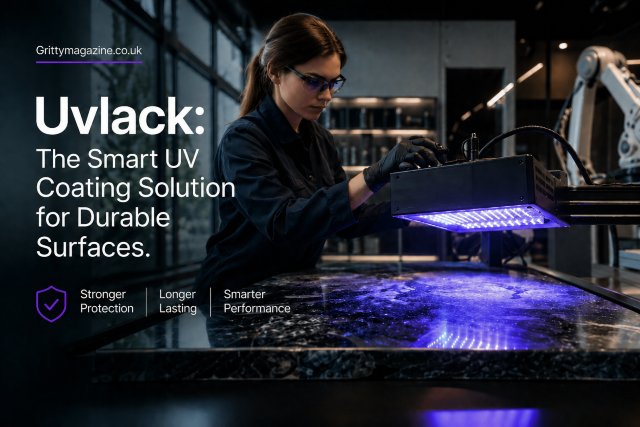
Uvlack is a smart way to think about modern UV coating: a fast-curing, protective surface finish designed to improve durability, appearance, and everyday performance. Whether used on packaging, wood, printed materials, furniture, panels, or industrial parts, Uvlack represents the growing demand for coatings that dry quickly, protect surfaces, and deliver a cleaner, more polished finish.
In simple terms, UV coating is a liquid coating applied to a surface and then cured under ultraviolet light. This curing process creates a hardened protective layer that can improve scratch resistance, gloss, smoothness, and handling strength. UV coatings are widely used because they can cure quickly and support high-quality gloss or matte finishes.
What Is Uvlack?
Uvlack can be understood as a UV-based surface coating solution made for durability, shine, and protection. The name suggests a coating system linked with ultraviolet curing, often used when a surface needs a stronger finish without long drying times.
Unlike traditional coatings that may rely on heat, air drying, or solvent evaporation, UV-curable coatings harden when exposed to ultraviolet light. This light triggers a chemical reaction that crosslinks the coating and turns it into a solid protective layer within seconds.
That fast curing process is one of the biggest reasons UV coating technology has become popular in packaging, printing, furniture finishing, woodworking, and industrial production.
Why Uvlack Matters for Durable Surfaces
Modern surfaces face more wear than ever. Product packaging gets handled, shipped, stacked, and displayed. Furniture surfaces deal with scratches, cleaning products, sunlight, and daily contact. Printed materials need protection from smudging, fading, and scuffing.
Uvlack helps answer that problem by adding a protective layer that improves both function and appearance. UV coatings are often chosen because they can enhance surface durability while also creating premium gloss, matte, or specialty finishes.
For businesses, this matters because surface quality affects customer perception. A product that looks smooth, clean, and well-protected often feels more valuable. A durable finish can also reduce damage, waste, and replacement costs.
How Uvlack UV Coating Works
The Uvlack process starts with applying a liquid coating to the surface. This coating may be applied through rollers, spray systems, curtain coating, screen printing, or industrial coating equipment, depending on the material and production setup.
Once applied, the coated surface passes under UV lamps or LED UV curing systems. The ultraviolet light activates photoinitiators inside the coating. These photoinitiators start a rapid chemical reaction that hardens the coating into a strong film.
This is different from conventional drying. Traditional coatings may need time for solvents or water to evaporate. UV coatings cure through a photochemical reaction, which allows faster processing and quicker handling. Research on UV-curable coatings notes that they are valued for rapid polymerization, increased production speed, and lower environmental impact due to limited VOC use.
Key Benefits of Uvlack
Uvlack Improves Surface Durability
The main reason people choose Uvlack is durability. A UV-cured finish can help protect against scratches, rubbing, fingerprints, scuffs, and general surface wear.
In furniture and woodworking, UV coatings are used because they can improve hardness, solvent resistance, and production speed. These qualities make them useful for surfaces that need to look good while surviving daily use.
This makes Uvlack useful for tabletops, cabinets, printed boards, packaging, display materials, decorative panels, and other items that need a clean and lasting finish.
It Creates a Premium Look
Uvlack does more than protect a surface. It can also make the surface look more attractive.
UV coatings are commonly used to create high-gloss, matte, or specialty finishes. In packaging, UV coating is often applied after printing to give the design a sleeker, more polished appearance.
A glossy Uvlack finish can make colors appear deeper and more vibrant. A matte Uvlack finish can create a soft, modern, luxury feel. Spot UV effects can highlight logos, patterns, images, or selected design areas.
It Speeds Up Production
One of the strongest advantages of UV coating is speed. Because UV curing happens quickly, coated surfaces can often be handled, stacked, packed, or processed sooner than with traditional coatings.
Industrial UV cure systems are valued because the coating solidifies quickly after UV exposure, reducing downtime and supporting high-speed production environments.
For manufacturers, this can mean faster output, shorter production lines, fewer delays, and more efficient workflow.
It Can Support Lower VOC Finishing
Many UV-curable coatings are associated with lower volatile organic compound emissions compared with traditional solvent-heavy coating systems. VOCs can contribute to air pollution and workplace concerns, so lower-VOC coating options are often attractive for manufacturers focused on sustainability.
This does not mean every Uvlack formula is automatically eco-friendly. The final environmental impact depends on the formulation, equipment, energy use, waste handling, and production method. Still, UV/EB curing systems are often discussed as a way to reduce the environmental footprint in some manufacturing settings.
Common Uses of Uvlack
Packaging and Printed Materials
Uvlack is highly relevant for printed packaging, labels, cards, brochures, catalogs, luxury boxes, and retail display materials.
In packaging, UV coating is applied after printing to protect the design and improve visual appeal. It can create glossy, matte, or high-impact finishes that make products stand out on shelves.
For example, a skincare box may use matte Uvlack across the full surface with spot gloss on the brand mark. A premium food package may use gloss UV coating to make colors appear richer. A brochure may use Uvlack to reduce scuffing and make pages feel more polished.
Wood, Furniture, and Decorative Panels
UV coatings are widely used in furniture and woodworking because they can create a hard, attractive finish while supporting faster production. They are used in finishing, varnishing, and laminating applications for wood-based products.
Uvlack can be suitable for cabinets, flooring panels, wall panels, doors, shelves, and decorative surfaces. The coating can help protect the surface from scratches, cleaning, and daily handling.
Industrial and Commercial Surfaces
Uvlack may also be useful for industrial panels, coated boards, electronics-related surfaces, plastic components, and display products. In these settings, coating performance matters because the surface may need resistance to rubbing, chemicals, moisture, or repeated contact.
UV-curable coatings are used across many industries because they combine fast curing with durable surface performance.
Uvlack vs Traditional Coating
Traditional coatings often need longer drying times. They may dry through air exposure, heat, or solvent evaporation. This can slow production and require more space for drying racks, ovens, or curing areas.
Uvlack-style UV coating cures quickly under ultraviolet light. That speed allows faster handling and can reduce delays in packaging, printing, woodworking, and manufacturing workflows.
Traditional coatings may still be useful for certain materials, outdoor conditions, or flexible surfaces. But when fast curing, strong finish quality, and production efficiency are priorities, UV coating can be a smart option.
Choosing the Right Uvlack Finish
The right Uvlack finish depends on the product, surface, and goal.
A high-gloss finish works well when the goal is shine, color depth, and strong visual impact. It is often used for retail packaging, promotional cards, catalogs, and decorative prints.
A matte finish works better when the goal is a soft, premium, non-reflective appearance. Matte Uvlack can make packaging, furniture, and printed materials feel more elegant and modern.
Spot UV is useful when only selected areas need shine or texture. This is common in luxury packaging, business cards, book covers, and premium marketing materials.
For industrial use, the finish should be chosen based on durability, adhesion, chemical resistance, flexibility, and curing depth. Dark or heavily pigmented coatings may need special formulation because deep curing can be harder when pigments block UV light. Research on black pigmented UV-curable coatings notes that suitable photoinitiators and careful pigment selection are important for achieving opacity and through-cure.
Real-World Example: Uvlack for Product Packaging
Imagine a small cosmetics brand launching a new serum. The box looks good in design files, but the printed surface scratches easily during shipping. Some boxes arrive with dull corners and rubbed artwork.
By applying Uvlack as a protective UV coating, the brand can improve the surface feel and help protect the printed artwork. A matte finish can make the box look elegant, while spot gloss can highlight the logo or product name.
The result is not just better packaging. It is a stronger first impression. Customers often judge product quality before opening the box, and a clean finish can make the product feel more premium.
Real-World Example: Uvlack for Furniture Panels
A furniture manufacturer producing cabinet doors may need a coating that looks smooth, resists handling marks, and allows quick production. Traditional drying can slow the line and take up floor space.
A UV-cured Uvlack finish can help the company cure panels faster while creating a hard, attractive surface. UV finishing is used in woodworking because it can support increased hardness, solvent resistance, faster line speed, and reduced fire risk compared with some traditional systems.
For high-volume production, these advantages can make a major difference.
Is Uvlack Safe and Eco-Friendly?
Uvlack can be a better option than some traditional solvent-heavy coatings when formulated and used properly. Many UV-curable coatings are associated with minimal or lower VOC emissions, which can support cleaner production environments.
However, safety still depends on responsible use. Uncured coating materials should be handled with proper protection, ventilation, training, and equipment. UV lamps also require safety controls because direct UV exposure can be harmful.
For best results, businesses should follow supplier safety data sheets, use proper curing equipment, test the coating on the actual substrate, and confirm compliance with relevant industry standards.
Common Mistakes to Avoid with Uvlack
One common mistake is choosing a finish only for appearance. Gloss may look attractive, but it may not be right for every surface or lighting condition. Matte may look premium, but it can show marks differently depending on the formulation.
Another mistake is poor surface preparation. Dust, oil, moisture, or weak ink adhesion can reduce coating performance. A strong coating still needs a clean and suitable base.
A third mistake is under-curing. If the UV light exposure is not strong enough, the coating may remain tacky, weak, or uneven. Proper curing depends on lamp power, line speed, coating thickness, formulation, and surface type.
Businesses should always run sample tests before full production. This helps confirm adhesion, gloss level, scratch resistance, cure quality, and final appearance.
Frequently Asked Questions About Uvlack
What is Uvlack used for?
Uvlack is used to create a durable UV-cured protective finish on surfaces such as packaging, printed materials, wood panels, furniture, decorative boards, and industrial components.
Is Uvlack the same as UV coating?
Uvlack can be described as a UV coating solution or UV-curable coating concept. The exact formula may vary by supplier, but the general idea is a coating that cures under ultraviolet light.
Does Uvlack make surfaces scratch-proof?
No coating makes a surface completely scratch-proof. However, a properly applied UV coating can improve scratch, scuff, and abrasion resistance compared with an uncoated surface.
Can Uvlack be glossy or matte?
Yes. UV coatings can be made in gloss, matte, satin, textured, and spot-finish styles depending on the application and formulation.
Is Uvlack good for packaging?
Yes, Uvlack is well suited for packaging because it can improve appearance, protect printed artwork, and help products look more premium on shelves.
Final Thoughts on Uvlack
Uvlack is a smart UV coating solution for businesses that want durable surfaces, faster production, and a better finished look. It brings together the strengths of UV curing: quick hardening, strong surface protection, premium gloss or matte options, and potential environmental advantages when compared with some conventional coating systems.
For packaging, Uvlack can make printed materials look cleaner and more professional. For furniture and panels, it can improve surface strength and finish quality. For industrial use, it can support faster workflows and more consistent results.
The key is choosing the right formulation, preparing the surface properly, and testing the finish before full production. When applied correctly, Uvlack can turn an ordinary surface into a stronger, smoother, and more valuable finished product.
